How to use this resource: A collection of past assessment tests, provided for personal practice. For personalised support, Get Matched →
Health Promotion Model or End-of-Life Care Assignment Guide
Assignment Brief
Select ONE Option
Complete one of the two assignment options below. You must use the template document provided separately.
Option 1: Model of Health Promotion Report
Word count: 2,000 words
Learning outcome: LO2
Assignment Task
Produce a report-style critique of one health promotion model. The report should compare the model’s theoretical perspective with the delivery of health promotion observed by the student in clinical practice.
The assignment should be written in the third person, except in the practice application section, where the first person may be used when appropriate.
An introduction and conclusion are not required.
Choice of Model
Select one of the following models studied in the module:
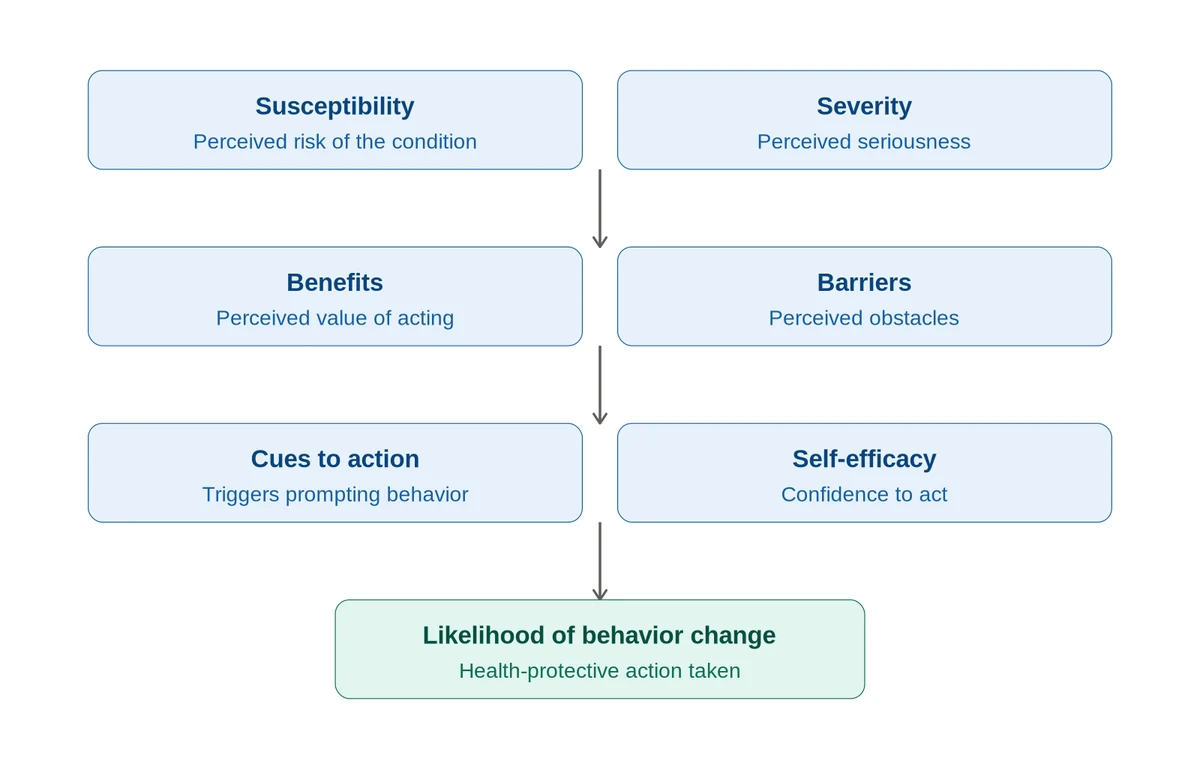
- Health Belief Model
- Transtheoretical Model, also known as the Stages of Change Model
- Beattie’s Model of Health Promotion
Required Structure
Chosen Model of Health Promotion
Write the full name of the selected model and include an appropriate citation.
No additional information should be included under this heading.
This section must be written in the third person.
Brief Description
Provide a concise and factual description of the structure of the selected model.
The discussion may include:
- The main components of the model
- The stages, concepts or categories included in the model
- The relationship between the different components
Bullet points may be used to identify the sections or headings that form the model.
Aim for approximately 150 words. Support the description with relevant academic literature.
This section must be written in the third person.
Explanation of the Model
Explain how the selected model is designed to work.
The discussion should include:
- When and why the model was developed
- The main assumptions underpinning the model
- How the model explains or supports health-related behaviour change
- Whether the model remains relevant to contemporary healthcare practice
- The strengths and advantages of the model
- The limitations and disadvantages of the model
- Academic arguments supporting or criticising the model
The discussion should move beyond description and demonstrate critical evaluation. All major points must be supported with relevant literature.
This section must be written in the third person.
Application of the Model to Practice
Examine how the selected model may be applied by nurses when delivering health promotion in practice.
The discussion should consider:
- How nurses can use the model to assess patients’ health beliefs and behaviours
- How the model may guide health education and behaviour-change interventions
- Potential barriers to applying the model in clinical practice
- Time, staffing, communication or resource limitations
- Patient motivation, readiness to change and health literacy
- Cultural, social, financial or environmental influences on health behaviour
- Differences between the theoretical model and health promotion observed in practice
The first person may be used to discuss personal observations from clinical practice. However, confidentiality must be maintained, and no patient, staff member or placement organisation should be identifiable.
Personal observations must be analysed using relevant academic literature rather than presented only as descriptions of practice.
References
Provide a complete reference list using the required Harvard referencing style.
All sources cited in the report must appear in the reference list, and all references listed must be cited within the assignment.
Option 2: Exploration of an End-of-Life Care Need
Word count: 2,000 words
Learning outcome: LO3
Assignment Task
Produce an academic exploration of one end-of-life care need studied in the End-of-Life Care workbook.
The assignment must be written in the third person throughout.
An introduction and conclusion are not required.
The discussion must be supported with relevant academic literature throughout.
Choice of Care Need
Select one care need explored in the End-of-Life Care workbook. The selected need should be sufficiently focused to allow detailed discussion of its effects and the nursing support required.
Required Structure
Chosen Care Need
Clearly identify and describe the selected end-of-life care need.
The discussion should explain:
- What the care need involves
- Why it may arise during end-of-life care
- How it may present or be recognised
- Why it is significant to the person receiving care
The description should be supported with relevant literature.
Impact on the Individual and Their Family
Explore how the selected care need may affect a person approaching the end of life.
The discussion should consider relevant effects such as:
- Physical comfort and functioning
- Emotional and psychological well-being
- Social relationships
- Independence and dignity
- Communication and decision-making
- Spiritual or cultural needs
- Quality of life
The discussion must also examine how the care need may affect the person’s family or those important to them. This may include emotional distress, uncertainty, anticipatory grief, caring responsibilities, communication difficulties or the need to participate in decisions.
The individual and family should not be treated as having identical needs. Differences in their experiences, wishes and support requirements should be recognised.
All key points must be supported by relevant literature.
Support Required to Improve Quality of Life
Discuss how nurses can support the patient and their family in relation to the selected care need.
The discussion may include:
- Holistic and individualised assessment
- Symptom recognition and management
- Compassionate communication
- Shared decision-making
- Advance care planning
- Emotional and psychological support
- Family education and involvement
- Cultural and spiritual support
- Respect for dignity, autonomy and individual preferences
- Multidisciplinary and interprofessional working
- Referral to specialist palliative care or other services
- Regular evaluation and adjustment of the care plan
Explain how these interventions may maximise comfort and quality of life. The discussion should also consider possible challenges, limitations or ethical issues involved in meeting the selected care need.
All nursing interventions and recommendations must be supported with relevant academic literature.
References
Provide a complete reference list using the required Harvard referencing style.
All sources cited within the assignment must appear in the reference list, and every source in the reference list must be cited in the main discussion.
General Academic Requirements
The completed assignment should:
- Follow the structure in the supplied template
- Remain within the required 2,000-word limit
- Use academic and professional language
- Demonstrate critical discussion rather than description alone
- Use current, relevant and reliable literature
- Maintain patient, staff and placement confidentiality
- Use the correct first- or third-person writing style for the selected option
- Apply Harvard in-text citations and referencing consistently
- Be proofread for grammar, spelling, punctuation and clarity
Students must complete either Option 1 or Option 2, not both.