How to use this resource: A collection of past assessment tests, provided for personal practice. For personalised support, Get Matched →
Leadership Development Assignment Brief
Written Report: 3000 Words
Based on your engagement with relevant academic literature and critical personal reflection, you are required to explore your leadership disposition, career ambitions and proposed leadership style that you intend to use to achieve your personal and professional leadership goals.
This assignment consists of two tasks:
Task 1: Critical Evaluation of Leadership Styles Using the Tuckman Group Development Model (1000 Words)
Using a range of relevant leadership literature, critically evaluate the leadership styles required to effectively lead teams during each stage of the Tuckman Group Development Model.
Your discussion should demonstrate your understanding of how leadership approaches may change depending on team development stages.
You should:
- Critically evaluate different leadership styles and behaviours
- Explain how leadership approaches support team development
- Apply leadership theories to each stage of the Tuckman model
- Provide clear workplace examples demonstrating effective leadership practice
- Use relevant contemporary and seminal leadership literature
Consider how leaders may adapt their approach across the following team development stages:
- Forming
- Storming
- Norming
- Performing
- Adjourning
Your analysis should demonstrate how effective leaders recognise team needs and adjust their leadership style accordingly.
Task 2: Career Leadership Goal, Self-Evaluation and Personal Development Plan (2000 Words)
Identify your target profession or career leadership goal that you aim to pursue after completing your postgraduate study.
Your career goal may include:
- Joining a graduate development scheme
- Starting your own business
- Working within a family business
- Progressing to a leadership role with your current employer
- Moving into a specialist professional role
- Developing into a senior management position
You should clearly explain whether your career goal relates to working in the:
- UK
- Your home country
- Another international location
Critically evaluate the leadership requirements of your chosen career pathway and analyse the gap between your current abilities and the skills required within your target profession.
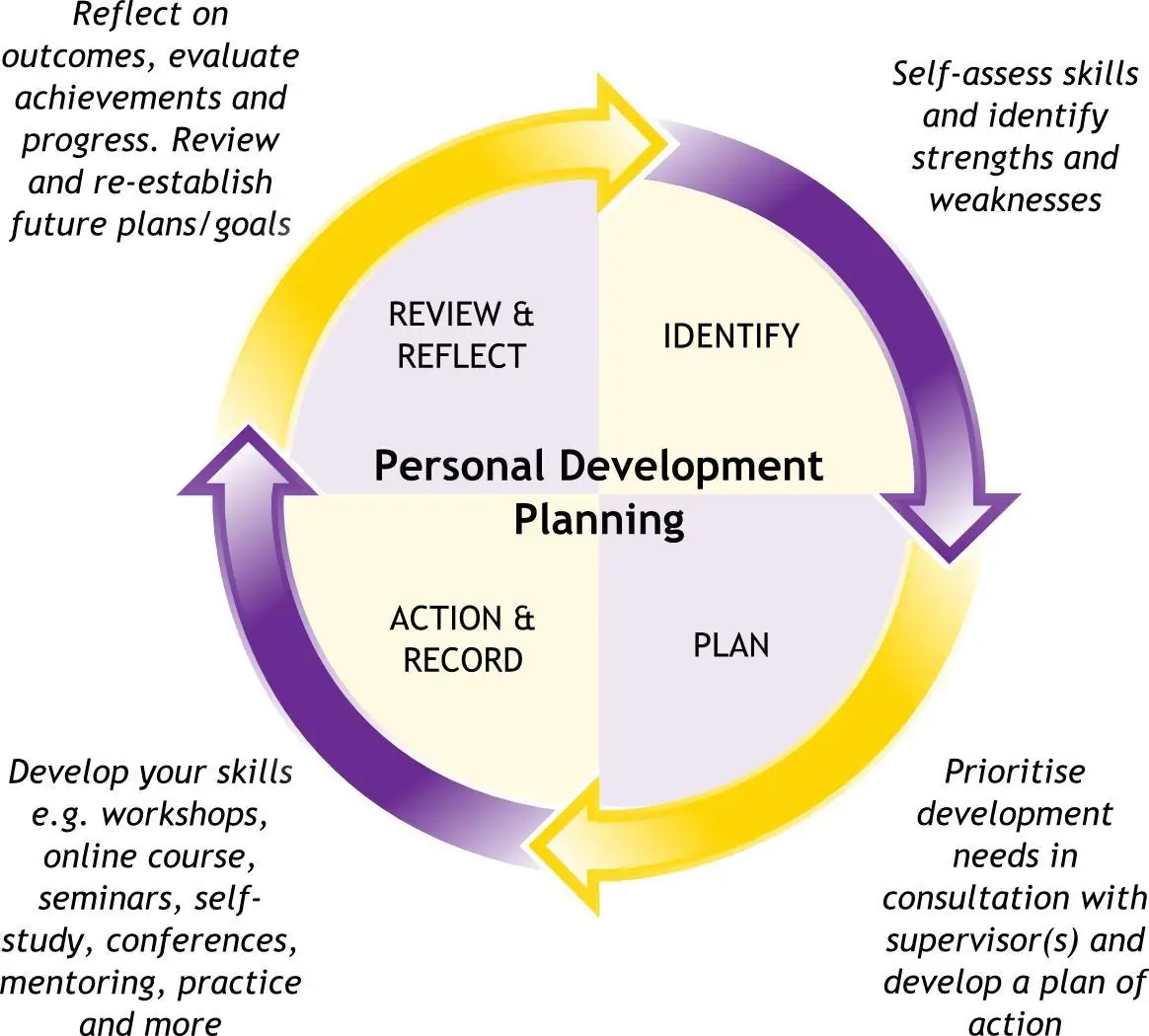
Develop a strategy for achieving your leadership goals through a detailed Personal Development Plan (PDP).
Task 2 Requirements
i) Introduction to Your Target Profession or Career Leadership Goal
Provide a clear introduction to your chosen career pathway.
Explain:
- Your intended profession or leadership position
- Why this career goal is important to you
- The industry or sector you wish to enter
- The location where you intend to pursue this goal
Your discussion should establish a clear connection between your career ambitions and leadership development.
ii) Leadership and Management Skill Requirements
Identify and critically evaluate the leadership and management skills required within your chosen profession.
Consider skills such as:
- Strategic thinking
- Communication
- Emotional intelligence
- Decision-making
- Conflict management
- Team leadership
- Problem-solving
- Change management
- Coaching and mentoring
- Professional integrity
Your discussion should demonstrate how these skills contribute to effective leadership within your chosen career area.
iii) Self-Evaluation of Leadership Behaviour, Skills and Disposition
Systematically examine and reflect on your own leadership characteristics, behaviours and skills.
You should complete a self-evaluation of your leadership style using evidence from:
- Self-assessment instruments provided during weekly lectures
- Psychometric tests
- Leadership diagnostic tools
- Previous workplace feedback
- Performance appraisals
- Professional experiences
- Relevant online leadership assessments
Your reflection should critically analyse:
- Your current leadership style
- Your leadership strengths
- Your limitations or development needs
- How your leadership behaviours compare with industry expectations
Your evaluation should be supported by relevant leadership theories and academic literature.
iv) Leadership Strengths, Weaknesses and Personal Development Plan
Reflect critically on your leadership strengths and weaknesses.
Identify areas requiring improvement and develop a strategy to achieve your target profession or career leadership goal.
You must create a detailed:
Personal Development Plan (PDP)
Your PDP should include:
- Development objectives
- Skills requiring improvement
- Actions required
- Resources and support needed
- Timescales
- Success measures
- Expected outcomes
Your development strategy should be realistic, evidence-based and linked directly to your career ambitions.
Specific Assessment Criteria
Distinction (70% and Above)
A distinction-level submission demonstrates:
- A cohesive, comprehensive and critical synthesis of leadership behaviour, styles and skills literature
- Expert explanation of relationships between leadership concepts
- A justified and critical evaluation of personal leadership strengths and weaknesses in relation to the target profession, industry or career pathway
- Strong links between leadership theory and personal findings
- Insightful and concise reflection
- A detailed and well-justified personal development plan
- Extensive research using contemporary and seminal academic sources
- Excellent referencing and academic writing quality
Merit (60%–69%)
A merit-level submission demonstrates:
- Clear and critical synthesis of leadership behaviour, styles and skills literature
- Strong explanation of relationships between leadership concepts
- Critical evaluation of personal leadership strengths and weaknesses in relation to career goals
- Effective links between theory and self-evaluation findings
- Well-developed personal development strategies
- Good use of relevant academic sources
- Good referencing and academic writing quality
Pass (50%–59%)
A pass-level submission demonstrates:
- Critical analysis of leadership behaviour, styles and skills literature
- Clear discussion of relationships between leadership concepts
- Evaluation of personal leadership strengths and weaknesses
- Links between leadership theory and personal findings
- Clearly explained personal development strategies
- Appropriate use of research sources
- Satisfactory referencing and academic writing
Fail (Below 50%)
Students who do not meet the requirements of the pass criteria will not successfully complete the assessment.
Marking Scheme
Your final mark will be calculated using the following weighting:
| Assessment Component | Weighting |
|---|---|
| Task 1: Modern approaches to leadership | 30% |
| Task 2: Career goals, reflection and Personal Development Plan discussion/table | 50% |
| Research evidence | 10% |
| References | 5% |
| Appendices: Evidence of psychometric tests | 5% |
Secondary Research Requirements
This is a HE7 postgraduate-level assignment.
Your reference list should contain:
15–20 academic sources as a minimum requirement.
Your references must include:
- At least four peer-reviewed academic journal articles
- At least five academic books
Your sources should demonstrate engagement with:
- Contemporary leadership research
- Seminal leadership theories
- Leadership behaviour literature
- Team development theories
- Professional development research
Final Submission Reminder
A high-quality postgraduate leadership assignment should demonstrate that you can:
✓ Critically evaluate leadership theories
✓ Apply leadership styles to team development stages
✓ Analyse your own leadership behaviours
✓ Identify gaps between current abilities and career requirements
✓ Develop a realistic leadership growth strategy
✓ Use academic evidence to support your arguments
✓ Create a detailed Personal Development Plan linked to your professional goals
Need support structuring your leadership report, analysing leadership theories, developing your reflective section or creating your Personal Development Plan?
Get Matched with a UKNurses expert for personalised academic guidance.