.png)
SBAR in Nursing: A Complete Guide to Situation, Background, Assessment and Recommendation
How to Structure an Escalation Call, Why It Works, and What Changes Across the UK, Australia and New Zealand
Key takeaways
• SBAR (Situation, Background, Assessment, Recommendation) is a structured communication framework for handovers, escalation calls and requests for clinical input.
• Each of the four components answers a specific question, and skipping straight to a vague concern without them is the most common reason escalation calls go badly.
• Structured handover methods including SBAR are associated with more complete information transfer and fewer communication-related safety incidents.
• Australia commonly uses ISBAR, which adds an Identification step; New Zealand uses the same ISBAR structure through its national safety and quality programmes.
• If your SBAR takes more than ninety seconds to deliver verbally, it likely needs simplifying.
Your first SBAR report probably went something like this
"Um, hi, this is... I have a patient... they do not look great."
You know something is wrong. The patient is not right. You cannot put your finger on exactly what, but every clinical instinct you have is firing. Then you pick up the phone, someone answers, and your brain empties completely. Every relevant detail, the observations, the history, the concern you have been sitting with for the past hour, vanishes.
Every nurse has been there. The good news is that SBAR exists precisely for that moment.
It is not a form-filling exercise. It is not a box-ticking ritual invented by someone who has never worked a night shift. SBAR is a structured communication framework that gives you a scaffold when pressure is high, time is short, and the information in your head needs to reach another person's head accurately and fast.
Understanding it properly, and using it well, is one of the most practical clinical skills you can build in nursing.
What does SBAR stand for?
SBAR stands for Situation, Background, Assessment and Recommendation. Each letter represents a category of information that needs to be communicated clearly when handing over a patient, escalating a concern or requesting clinical input.
The framework is simple by design. In healthcare, especially during busy shifts or urgent situations, communication needs to remain clear even when time is limited. A structured approach reduces the risk of important details being missed, overlooked, or misunderstood.
That is why tools like SBAR are so valuable. They create a shared language between nurses, doctors, and the wider multidisciplinary team, ensuring that everyone receives the information they need to make safe decisions.
Why structured communication matters
The importance of this cannot be underestimated. Communication failures during healthcare handovers have repeatedly been identified as a contributing factor in patient safety incidents, which is why NHS England's national learning hub hosts SBAR as a standard structured handover tool, and why the Nursing and Midwifery Council's raising concerns guidance is explicit that a nurse must act without delay if they believe someone is at risk.
Research into structured handover methods, including SBAR, has shown associations with improved information transfer, greater completeness of handover details, and reductions in communication-related risks. The Royal College of Nursing's raising and escalating concerns toolkit sets out the same expectation from the professional body's side: staff should feel safe and supported to escalate, and structured tools like SBAR make that easier to do well.
These are not simply statistics or process issues. Behind every missed detail is a person receiving care who depends on healthcare teams sharing accurate information at the right time. SBAR exists to help close that gap.
Here is what each component means and what it looks like in practice.
The four components of SBAR
S — Situation
Situation is the opening of your communication and the most important sentence you will say. It needs to answer three questions immediately: who you are, who the patient is, and what the concern is.
A strong Situation statement sounds like this:
"This is Jace, staff nurse on Ward 7. I am calling about Mrs Sterling in Bay 3, Bed 2. She is 68, admitted two days ago with community-acquired pneumonia. I am concerned because her respiratory rate has increased significantly over the past hour and she is becoming more agitated."
In those three sentences, the receiver knows who is calling, who the patient is, where they are, their admission context and the specific clinical concern. They can start formulating a response before you have finished speaking.
A weak Situation statement sounds like this: "Hi, it is the ward. I have a patient who is not doing well."
The receiver now has to ask multiple questions before they understand what they are dealing with. In an emergency, that exchange costs time you may not have.
When documenting SBAR in writing rather than delivering it verbally, the Situation section should include:
• Patient's full name
• Date of birth
• Ward
• Bed number
• Consultant
• Resuscitation status
• Specific clinical concern being escalated
B — Background
Background provides the context the receiver needs to understand the Situation. This is not an invitation to read out the entire medical history. It is a curated summary of the relevant information.
Relevant background typically includes:
• Admitting diagnosis
• Significant past medical history that bears on the current concern
• Key medications
• Recent investigation results
• Any changes in the patient's condition over the past few hours or since the last review
The discipline here is relevance. A patient admitted with a fractured neck of femur who develops a post-operative chest infection has a background that includes surgical details, current analgesia, mobility status and any pre-existing respiratory history. Their childhood appendicectomy is not relevant.
Good Background sounds like this:
"Mrs Sterling was admitted on Wednesday with a right lower lobe pneumonia confirmed on chest X-ray. She is on IV (intravenous) co-amoxiclav and has a background of type 2 diabetes and mild COPD (Chronic Obstructive Pulmonary Disease). Her most recent CRP (C-Reactive Protein) was 210 this morning, up from 140 yesterday. She has been maintaining saturations of 94 to 96% on 2 litres of oxygen until approximately an hour ago."
That Background gives the receiver the clinical picture without burying them in irrelevant detail.
A — Assessment
Assessment is the component many new nurses find most uncomfortable, because it requires a clinical opinion.
Nursing training can sometimes create overcaution around clinical judgement, a hesitancy to say what you think is happening in case you are wrong. Assessment in SBAR is not a diagnosis. It is your professional observation and clinical reasoning, and it is valuable precisely because you are the person who has been at the bedside.
A clear Assessment sounds like this:
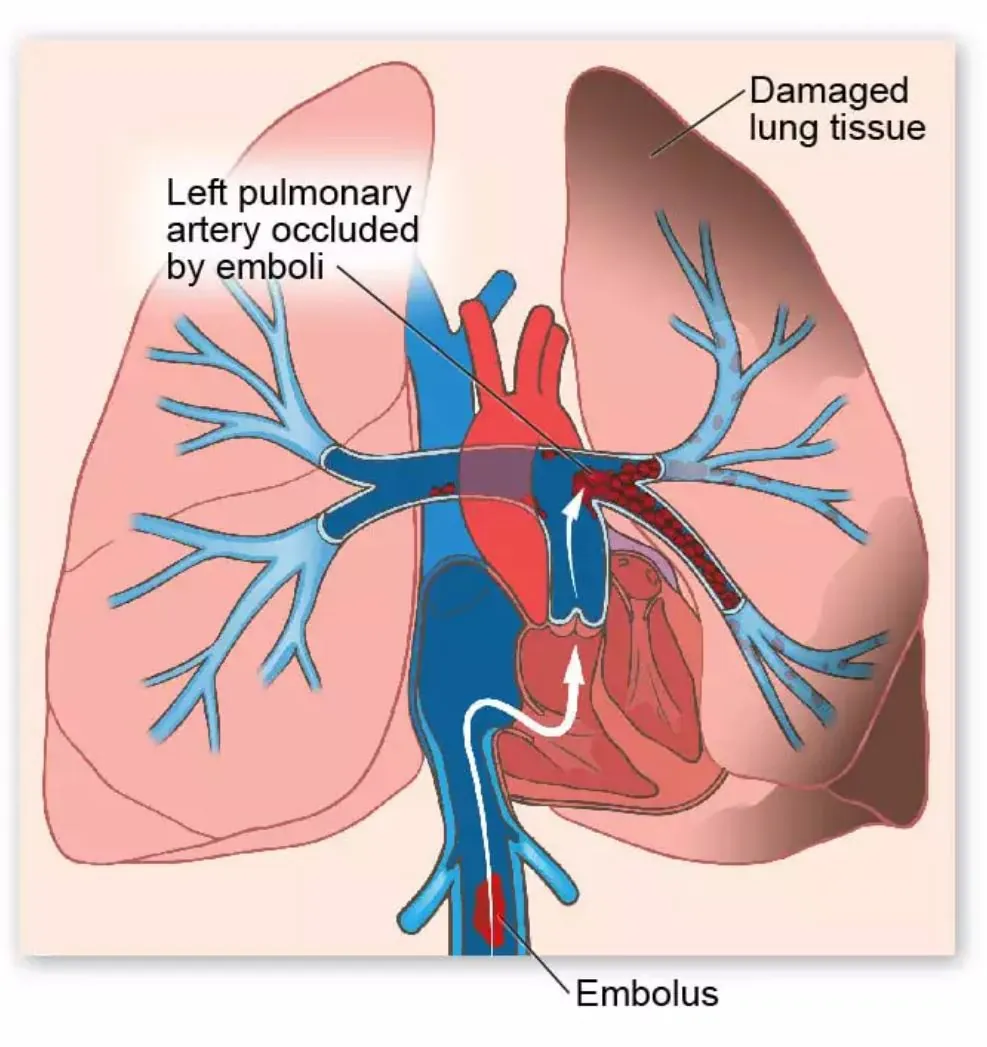
"I think Mrs Sterling may be deteriorating. Her NEWS (National Early Warning Score) has increased from 3 to 6 over the past two hours, her work of breathing has increased, and she is not responding to the oxygen increase as I would expect. I am concerned this may be a developing sepsis picture or a pleural complication."
You might be wrong. That is fine. What matters is that you have communicated your clinical thinking clearly so the receiver can factor it into their response. The registrar will form their own clinical judgement when they arrive. Your Assessment gives them the information they need to prioritise appropriately. The Royal College of Physicians' NEWS2 report is the source standard behind the score most UK nurses will quote at this point in the call.
What Assessment is not: "I am not sure, something just seems off." That may be your starting point. It cannot be your endpoint. Name the specific observations driving your concern. Numbers and objective findings are always more useful than general unease, even when the unease is clinically significant.
R — Recommendation
Recommendation is where many SBAR communications become vague and where the clinical value of the framework is most commonly lost.
"I was just wondering if maybe someone could come and have a look" is not a Recommendation. It is a hope.
A Recommendation is a specific request for a specific action within a specific timeframe.
A clear Recommendation sounds like this:
"I need a medical review within the next thirty minutes. I would like the chest X-ray repeated and the possibility of a pleural effusion or worsening consolidation excluded. I have already increased oxygen to 4 litres and repeated the observations, which I have documented."
After delivering your Recommendation, read back the agreed plan to confirm shared understanding. This closing loop is where many handovers and escalation calls fall apart. Both parties assume they have agreed on the same course of action when they have not. Closing the loop is not bureaucracy, it is patient safety.
SBAR summary: save or print this
Use this before any handover or escalation call.
|
Component |
Key question |
What to include |
|
S — Situation |
What is happening right now? |
Your name, ward, patient name and location, specific concern |
|
B — Background |
What is the relevant context? |
Admission diagnosis, relevant history, recent changes, key observations |
|
A — Assessment |
What do you think is happening? |
Your clinical judgement, specific findings driving your concern, NEWS or track-and-trigger score |
|
R — Recommendation |
What do you need and when? |
Specific action, timeframe, read back to confirm |
If your SBAR takes more than ninety seconds to deliver verbally, it likely needs simplifying.
SBAR in the UK, Australia and New Zealand: regional variations
SBAR is used across all three regions but with some local adaptations worth knowing.
In the UK, NHS SBAR templates are widely available through NHS England's Learning Hub and are integrated into many electronic patient record systems. The framework is referenced in NMC standards for escalation and is a core component of simulation training in most pre-registration nursing programmes.
In Australia, ISBAR, which adds an Identification step at the front, is the more commonly used variation in public hospital networks. The Clinical Excellence Commission in New South Wales and the Australian Commission on Safety and Quality in Health Care have both published ISBAR guides and tools for clinical staff under the national Communicating for Safety standard. The REACH escalation pathway used in several Australian states sits alongside SBAR as a complementary patient safety framework.
In New Zealand, Te Tāhū Hauora, the Health Quality and Safety Commission, promotes ISBAR as a core communication tool for surgical teamwork and clinical handover, used both in person and over the phone.
Where nursing students and newly qualified nurses learn SBAR
SBAR is taught almost universally in UK pre-registration nursing programmes, usually within simulation-based education rather than as a standalone lecture. A few examples of how this plays out in practice:
At the University of Southampton, nursing students practise structured handover and escalation communication in simulated hospital wards built to replicate acute settings such as intensive care and emergency departments, using high-fidelity manikins that can display physiological changes in real time.
At Northumbria University, the Clinical Skills Centre uses virtual reality and simulated manikins so students can rehearse escalation calls, including SBAR, in a safe environment before they encounter a genuinely deteriorating patient on placement.
Researchers at Coventry University have specifically studied how an adapted SBAR notes sheet, combined with structured debriefing, helps healthcare students capture and reflect on their communication during clinical simulation sessions.
At Sheffield Hallam University, practice assessors evaluating adult nursing students have specifically highlighted confident, well-structured SBAR handovers, including appropriate escalation of high NEWS scores, as a marker of readiness for qualified practice.
If you are preparing for NMC registration as an internationally trained nurse, SBAR-style structured communication also comes up directly in the professional communication domain of the CBT, and it is one of the skills OET's speaking subtest is designed to check. Our guides on passing the NMC CBT first time and the OET guide for nurses cover how structured, concise clinical communication is assessed in both exams.
Frequently asked questions
What is the difference between SBAR and ISBAR?
ISBAR adds an Identification step at the start, where you confirm who you are and formally identify the patient using at least two identifiers, such as name and date of birth, before moving into Situation. SBAR and ISBAR cover the same ground; ISBAR is simply more explicit about identification, and it is the more common version in Australia and New Zealand.
Is it normal to feel nervous doing your first SBAR call?
Yes, and it is worth naming rather than hiding from. Nearly every nurse describes a version of the same experience: picking up the phone and momentarily forgetting everything they wanted to say. Writing your SBAR down before you call, and asking a colleague or mentor to check it first, are the two most commonly recommended ways to build confidence while you are still new to it.
Can I still give an Assessment if I do not know the diagnosis?
Yes. Assessment is not a diagnosis, it is your clinical impression based on what you have observed. You can say you think the patient may be deteriorating, or that a particular pattern of observations concerns you, without naming a definitive cause. The receiving clinician will form their own diagnosis; your job is to communicate what you have seen clearly enough that they can prioritise appropriately.
Should nursing students use SBAR, and should they mention they are a student?
Yes to both. SBAR is taught in the great majority of pre-registration nursing programmes specifically so students practise it before qualifying. When making a call as a student, briefly stating that you are a student nurse and naming your supervising mentor is standard practice and is generally well received by the person receiving the call.
What if the doctor or the person I am calling is dismissive or rude?
It happens, and it is not a reflection of the quality of your SBAR. Staying structured and factual, sticking to your prepared Situation, Background, Assessment and Recommendation, and not taking a brusque response personally are the most commonly recommended strategies. If a concern is not being taken seriously and you believe there is a genuine risk to the patient, your professional duty is to continue escalating through your local chain of command rather than to let the call end there.
How long should an SBAR handover or escalation call take?
As a general guide, if a verbal SBAR is taking longer than about ninety seconds, it usually means too much background detail has crept in. The framework works because it is deliberately concise; longer calls are a signal to tighten the Background section in particular, which is the part most likely to be padded with information that is not directly relevant to the current concern.
Is SBAR only for phone calls, or can it be used in writing?
Both. SBAR is used verbally for handovers, escalation calls and multidisciplinary team discussions, and in writing for referral letters, discharge summaries, electronic patient record entries and structured handover documentation. The written version generally includes more identifying detail, such as date of birth, ward, bed number and resuscitation status, than a fast-moving verbal call would.
Is SBAR used differently for handover versus escalating a deteriorating patient?
The four components stay the same, but the emphasis shifts. A routine nurse-to-nurse handover at shift change tends to give a fuller Background and Assessment, since there is time to be thorough. An urgent escalation call about a deteriorating patient is usually shorter and more front-loaded, with the Situation and Recommendation carrying most of the weight because the receiving clinician needs to know what to do, quickly.
Does using SBAR mean I am diagnosing the patient?
No. The Assessment section is your professional observation and clinical reasoning, not a medical diagnosis. Nursing bodies are consistent on this point: naming the specific findings driving your concern, such as a change in NEWS score, work of breathing or level of consciousness, is well within a nurse's scope of practice and is exactly what the Assessment section is for.
How does SBAR relate to NEWS2 and other early warning scores?
NEWS2, developed by the Royal College of Physicians, is usually what triggers the call in the first place, and it typically appears inside the Assessment section as objective evidence for your clinical concern. A rising or high NEWS2 score does not replace the need for a full SBAR call; it is one of the specific, objective findings that makes your Assessment stronger and harder to dismiss.
Get more support with clinical communication skills
SBAR is one of several structured communication skills assessed throughout UK nursing education and NMC registration routes, alongside documentation, medicines management and professional escalation. If you want to work through your own SBAR examples, practise mock escalation calls, or prepare for the communication domain of the CBT or OET, our Academic Success Team offers 1-to-1 sessions with PhD- and MSc-qualified nursing tutors. Our guides on passing the NMC CBT first time and the OET guide for nurses are good starting points if structured clinical communication is the part of registration you are most worried about.